
Social communication groups
Your child wants friends but isn't sure how. In a friendly group, they get to practise with other children, with a therapist right there to help.
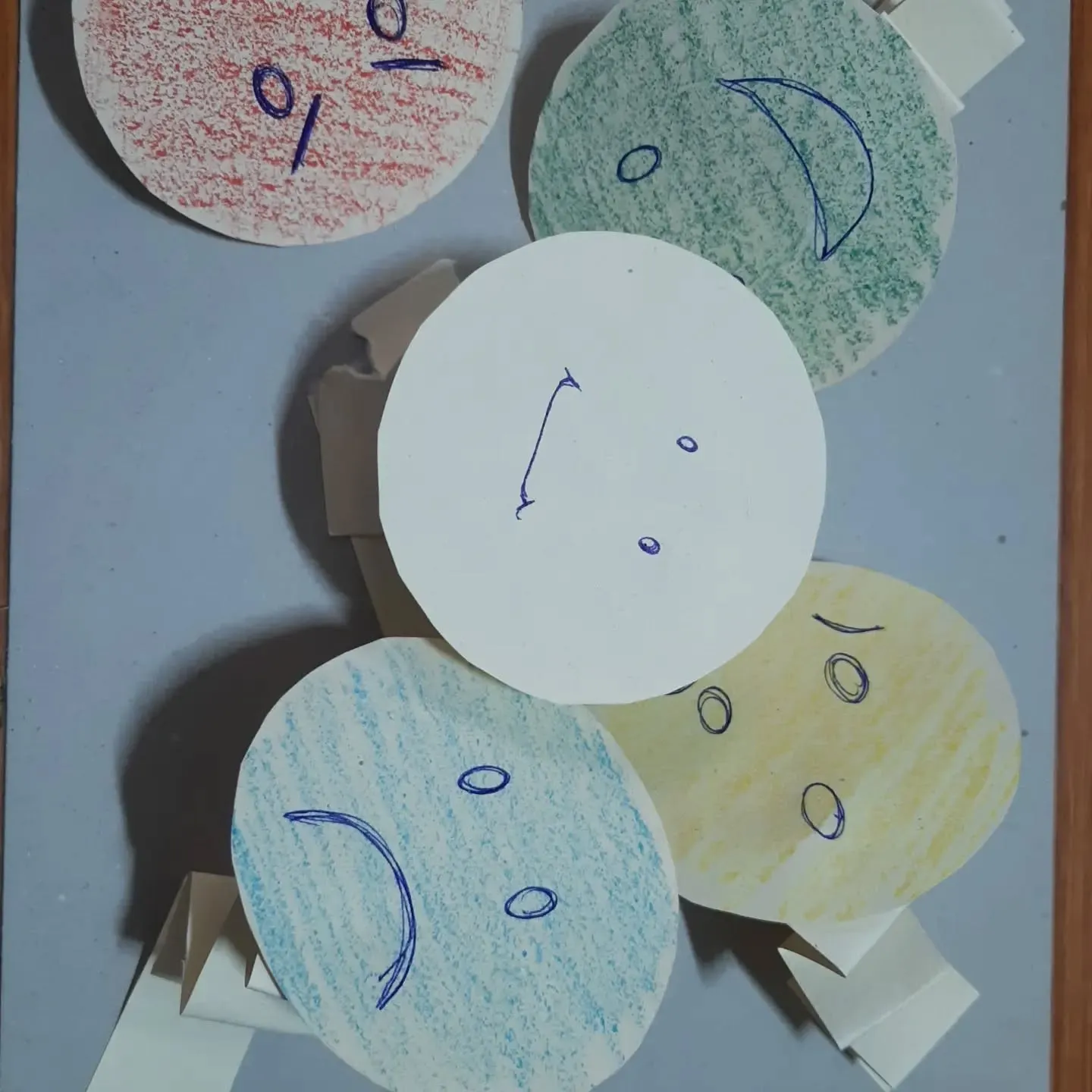
See what it looks like at Turtle Express
When it is often recommended
- Prefers to play alone
- Hard to join other children
- Can't bear losing a game
- Talks only about their interests
- Misses faces and tone of voice
- Hard to name their feelings
- Wants friends, doesn't know how
How we work
Getting to know your child
An assessment first, so we know your child's strengths and what feels hard.
Joining when ready
We suggest a group when we think your child is ready to enjoy it.
Games, stories and role play
Plenty of natural chances to take turns, share, talk and notice how others feel.
Skills that go home
Games and playdate ideas to try with other children.
More about social communication groups
What children practise
- Turn-taking and sharing, in games and in talk
- Play, from playing alongside others to playing together
- Conversation: starting, listening, staying on topic
- Feelings: spotting them in ourselves and others
- Friendship: being flexible and sorting out small problems
It is worth talking to us when social difficulties are making your child unhappy or getting in the way at school.
The Social Thinking approach
Our founder has attended a Social Thinking workshop. Instead of memorising rules, the approach helps children learn why people act the way they do and what others might be thinking. That helps them use their skills outside the therapy room too.
Who we see
Children with autism, ADHD and speech delay, and children who simply find friendships hard. Groups can sit alongside speech therapy or cognitive therapy. Groups run at our centre in T. Dasarahalli.
Questions parents ask
Why a group and not one-to-one?
Social skills are about other people, so some things are easiest to learn with other children in the room. A therapist guides the group so everyone feels safe.
Is my child ready for a group?
Many children do best after some one-to-one work first. We assess your child and suggest a group when we think they are ready.
My child talks a lot but struggles with friends. Can groups help?
Yes, this is common. Some children have plenty of words but find the back-and-forth of friendship hard. Groups give practice in listening, noticing others and sharing a conversation.
Every child is different. If this seems right for your child, please ask your therapist for more details.
Often helps children with
After having taken speech therapy from multiple big named centres in Bangalore over the last 4 yrs for my on the spectrum kid with speech apraxia, I can confidently vouch for Pashyanti's experience and dedication to her work. … She is one of her kind whom I have seen using OPT, Hanen , PROMPT and AAC in the same session so beautifully blending them in her flow.
Other ways we help
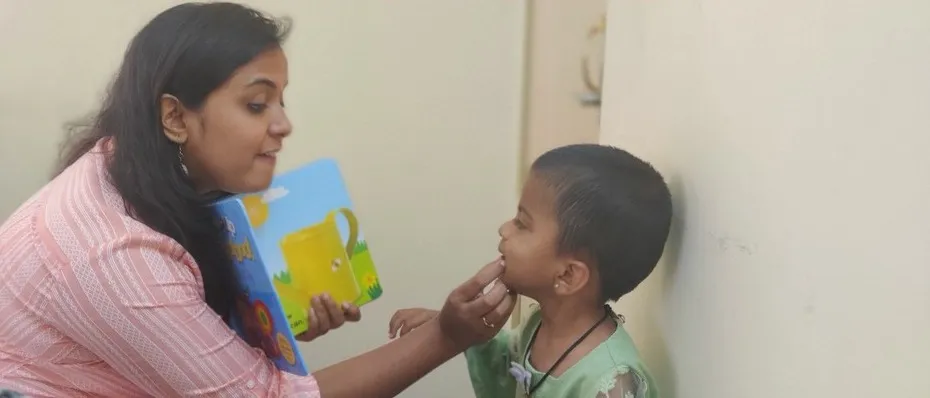
Speech therapy
For late talkers, unclear speech, stammering and apraxia.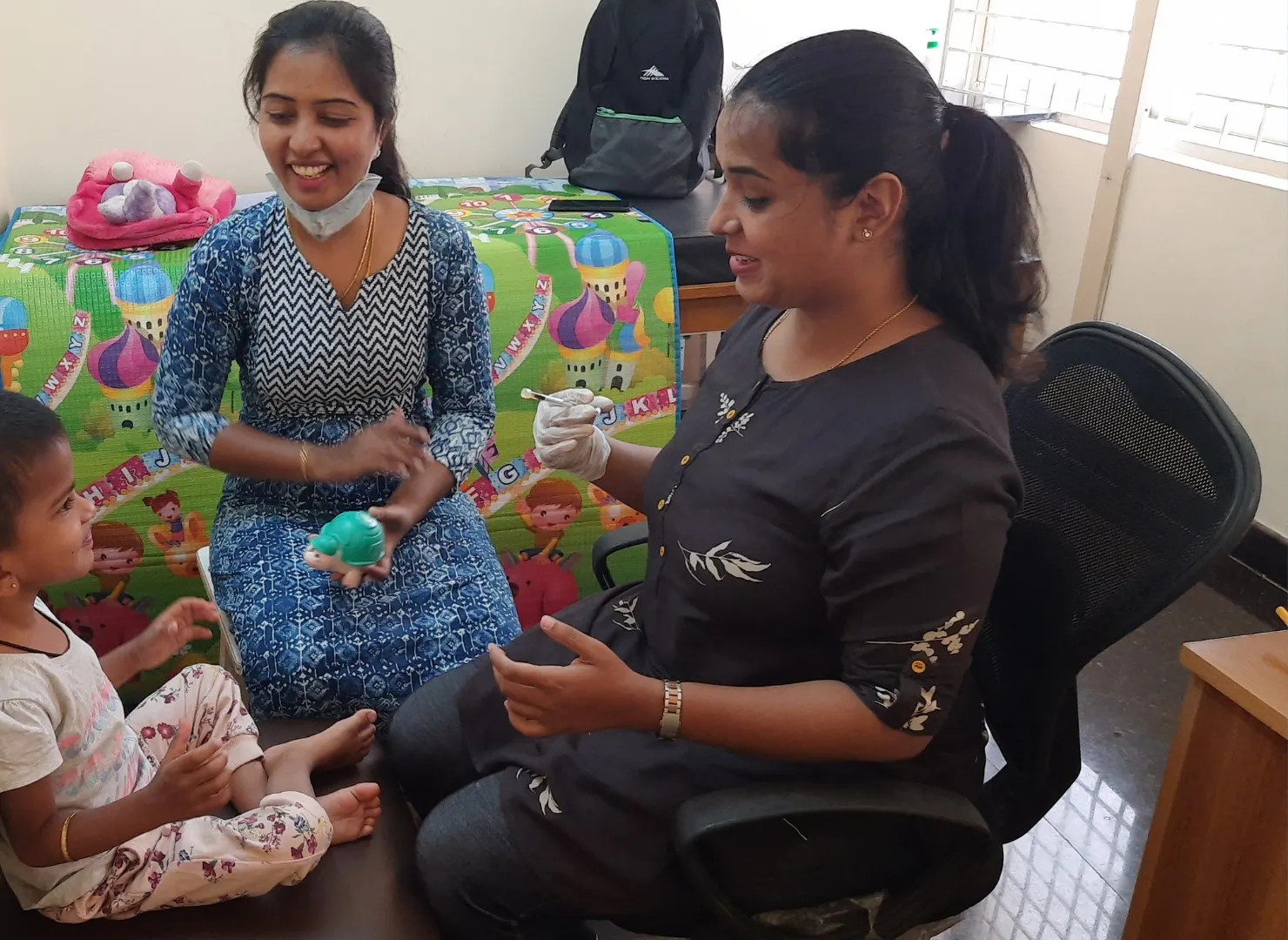
Early intervention
For babies and toddlers, from 3 months to about 5 years, who are slow to reach milestones.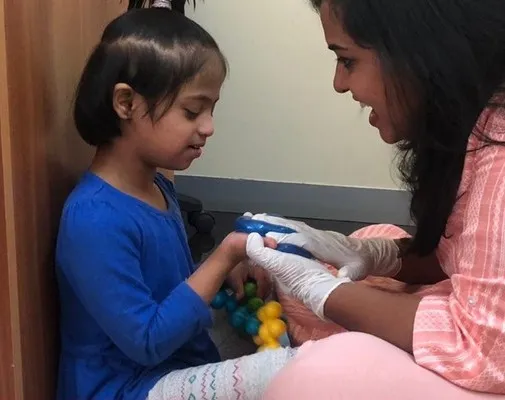
Occupational therapy
For children who find handwriting, movement or everyday tasks like dressing harder than others.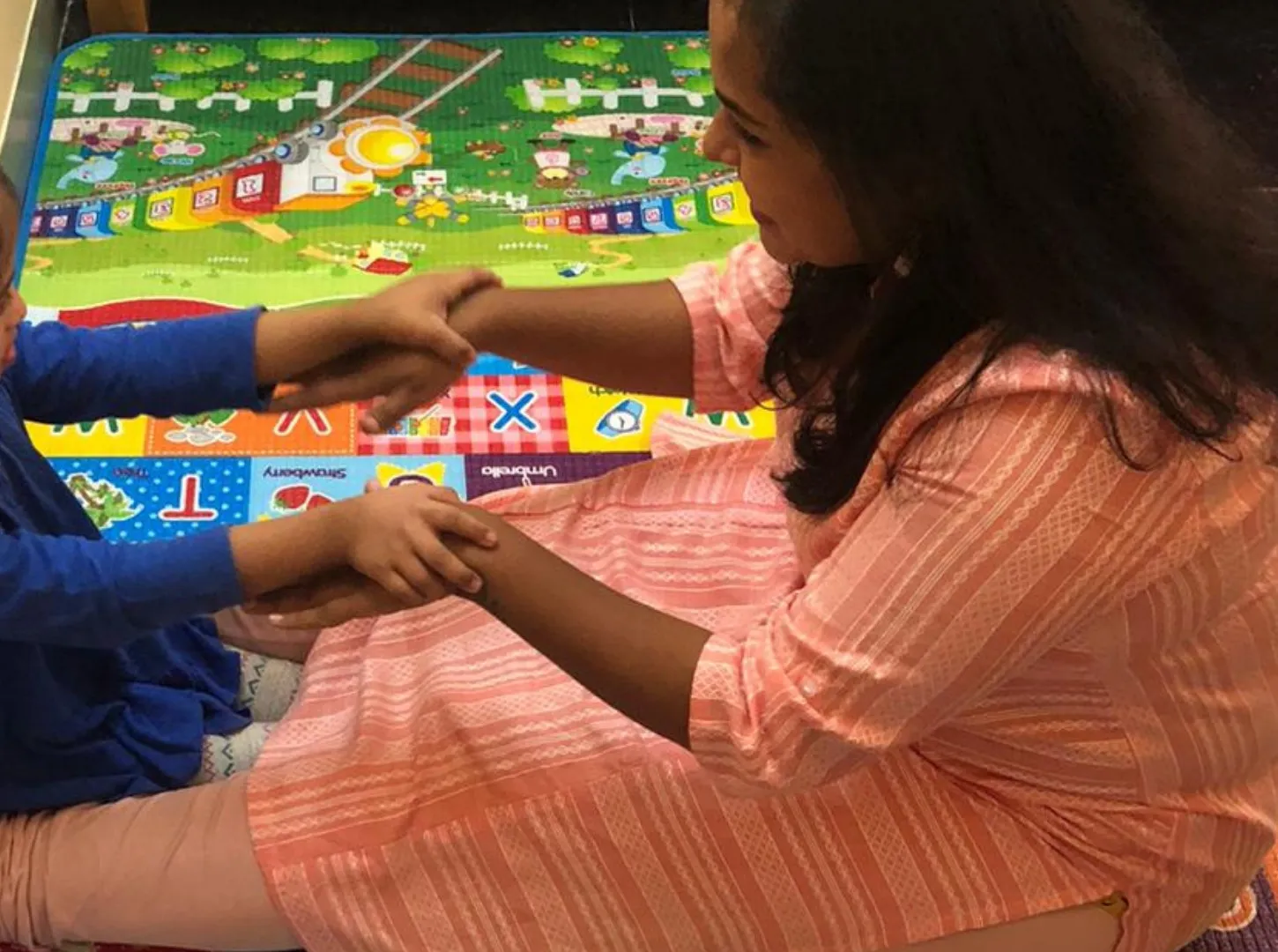
Sensory integration therapy
For children who are over- or under-sensitive to sound, touch or movement.
Wondering if this is right for your child?
Every child’s needs are different. Talk to us, and we’ll think it through with you.