
Global developmental delay
Your child is growing at their own pace, and that pace needs a little extra help. Starting early gives them the best chance to build skills in every area.
Signs parents often notice
- Late to sit, crawl or walk
- Few words for their age
- Not playing with toys as expected
- Finds it hard to copy you
- Slow to feed or dress themselves
- Not following simple instructions
How we can help
Early intervention
Play-based sessions that build movement, talking, thinking and play, all together.
Words and understanding
We help your child understand more and express what they need, with or without words.
Hands, body and daily skills
Fine motor skills, balance and self-care like eating and dressing.
Thinking and learning
Attention, memory and problem-solving through games your child enjoys.
More about global developmental delay
What it is
Global developmental delay (GDD) means a young child is noticeably behind in two or more areas, such as movement, speech, understanding, play or self-care. It is usually noticed before age 5.
Sometimes doctors find a cause, and sometimes they don’t. As children grow, the picture often becomes clearer.
What helps
The early years are when the brain learns fastest, so starting early matters. Children usually need help in more than one area:
- Speech therapy for understanding and talking
- Occupational therapy for movement and daily skills
- Cognitive therapy for attention and learning
- Parent coaching, so home becomes part of therapy
We keep goals small and practical, like asking for water or holding a spoon, and celebrate each one with you. See how early intervention works.
When to get help
If your child seems behind in more than one area, don’t wait. Speak to your paediatrician and contact us to start therapy alongside.
Questions parents ask
Who diagnoses global developmental delay?
A developmental paediatrician or paediatric neurologist, usually for children under 5. They may suggest tests to look for a cause. We don't diagnose, but we can start therapy while that is being worked out.
Will my child catch up?
Every child is different, and no one can promise an outcome. What we do know is that early, regular therapy with parents involved helps children make the most progress they can.
Why does my child need more than one therapy?
Because the delay affects several areas, like talking, movement and learning. We give you feedback after sessions, so you know how it all fits together.
Every child is different. If this seems right for your child, please ask your therapist for more details.
Therapies that help
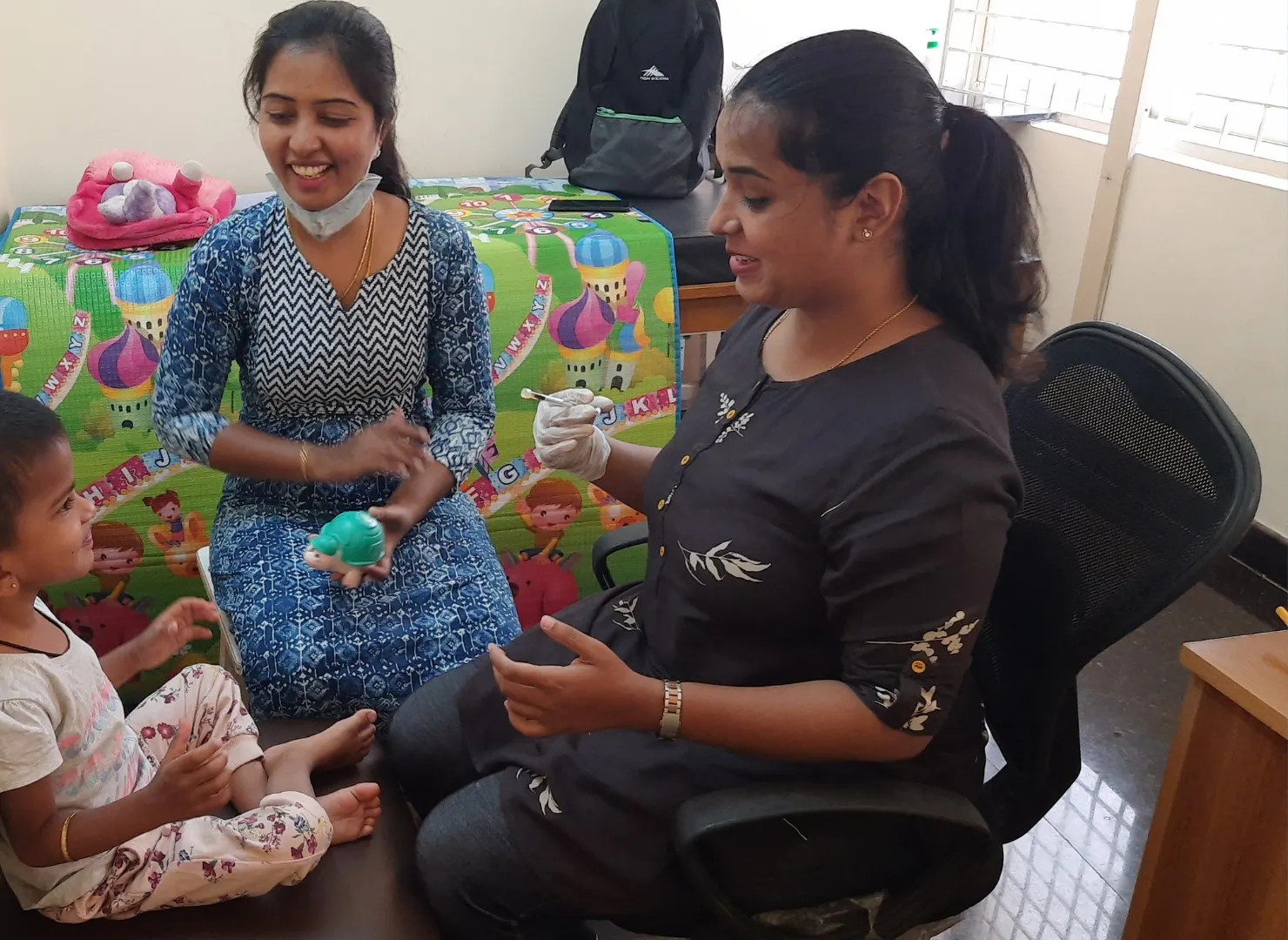
Early intervention
For babies and toddlers, from 3 months to about 5 years, who are slow to reach milestones.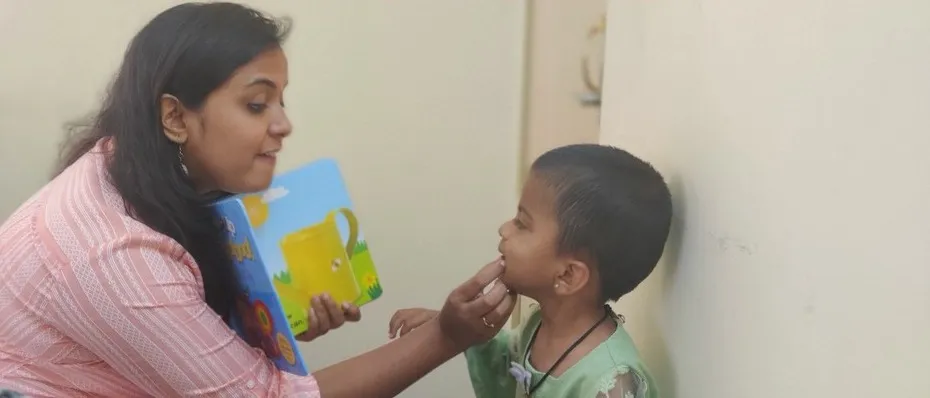
Speech therapy
For late talkers, unclear speech, stammering and apraxia.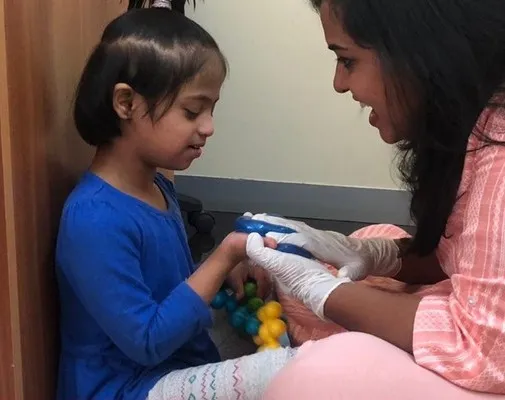
Occupational therapy
For children who find handwriting, movement or everyday tasks like dressing harder than others.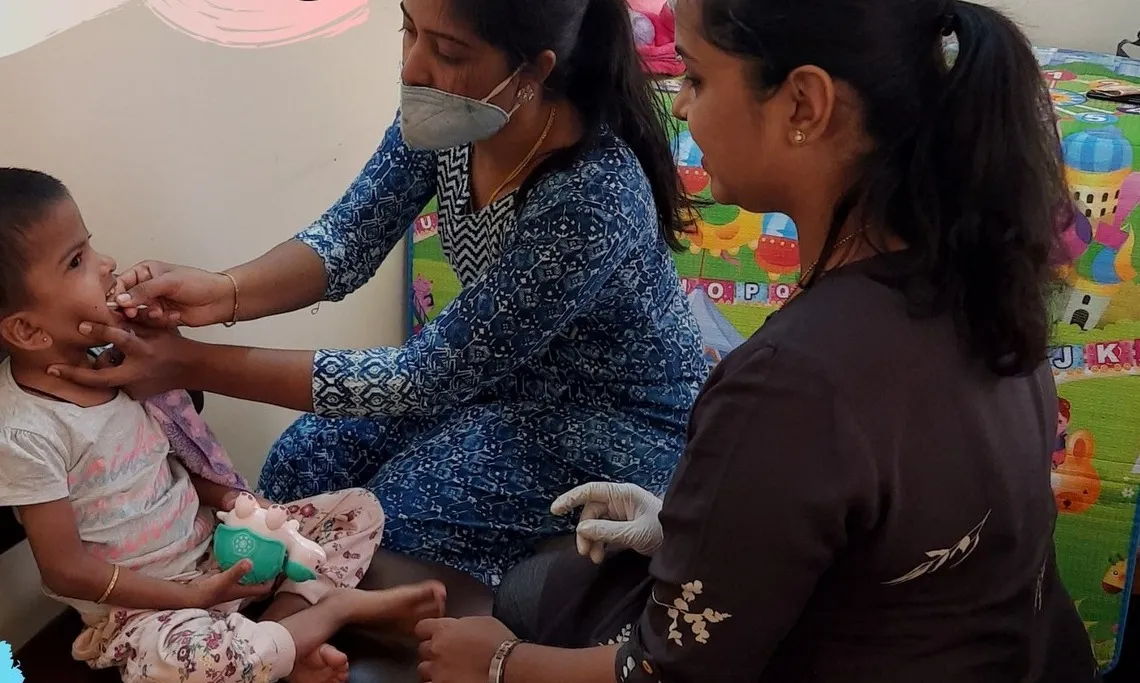
Cognitive therapy
For children who find it hard to focus, remember, plan or finish what they start.
Worried about your child?
You don’t need a diagnosis to talk to us. Call or WhatsApp, and we’ll help you work out the next step.