
Speech and language delay
If your child is talking less than other children their age, you are right to ask. Many late talkers catch up with the right help, and you are the most important part of it.
Signs parents often notice
- No babbling by 9 months
- No words by 16 months
- No two-word phrases by 2 years
- Hard to understand at 3
- Points or pulls instead of talking
- Not following simple instructions
- Repeats words but doesn't ask
How we can help
A relaxed first assessment
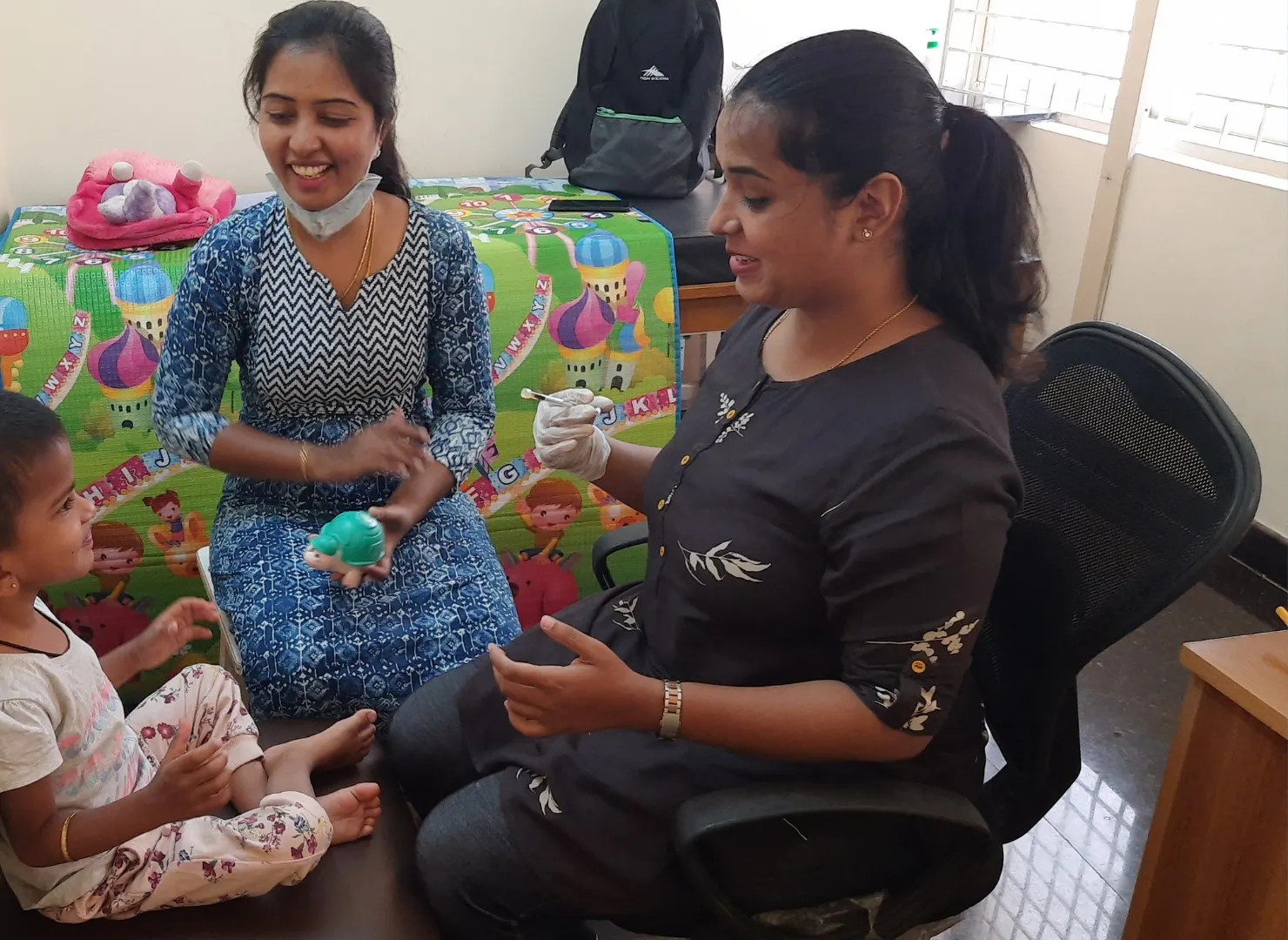
We play with your child, listen to your worries and find out where they are right now.
Play that builds words
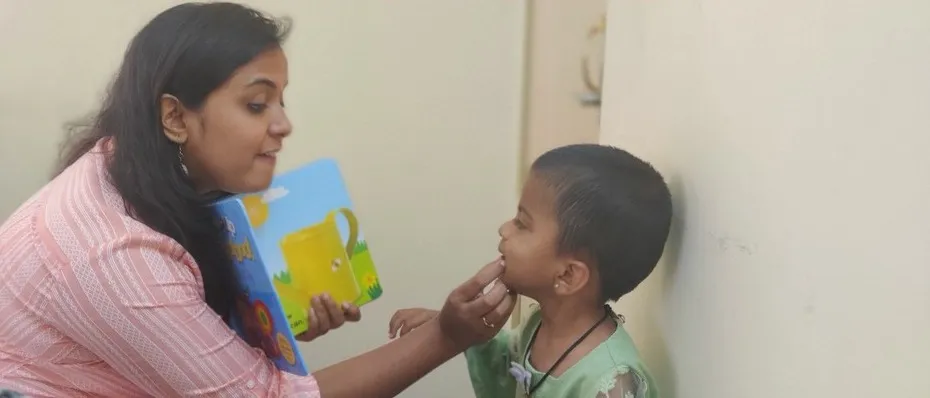
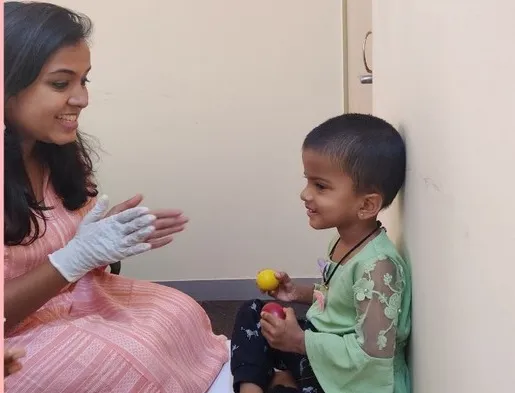
Sessions use toys, songs and books your child enjoys, so talking feels fun, not forced.
Everyday talk at home
You learn simple ways to turn meals, bath time and play into chances to talk.
Checking hearing
A hearing check is an important first step, because children learn to talk by listening.
More about speech and language delay
What it is
A speech delay means a child is slower to say words or speak clearly. A language delay means they find it harder to understand words or put them together. Many children have a bit of both. It is common, and it is not your fault.
What helps
Children learn to talk through play and people, not drills. We:
- Follow your child’s interests to build words and sentences
- Use proven methods like Hanen and PROMPT where they fit
- Show you what we did after every session, so practice carries on at home
Sometimes a delay is the first sign of something else, like hearing loss or autism. We will tell you honestly if we think your child should also see a doctor.
When to get help
If your child isn’t meeting the signs above, or something just feels off, an assessment is worth it. There is no age too early. See how our speech therapy works, or book a visit.
Questions parents ask
Should I wait and see if my child catches up?
It is better not to wait. Some children do catch up, but it is hard to know which ones. An assessment gives you answers, and early help makes a real difference.
Does speaking two or three languages at home cause speech delay?
No. Children can learn more than one language from the start. Keep talking in the languages you are most comfortable with. We can guide you on what to use at home.
Does screen time cause speech delay?
Screens take away time for talking and play with people, which is how children learn language. Doctors advise avoiding screens under 2, apart from video calls, and limiting them after that.
Every child is different. If this seems right for your child, please ask your therapist for more details.
Therapies that help
Worried about your child?
You don’t need a diagnosis to talk to us. Call or WhatsApp, and we’ll help you work out the next step.