
Hearing loss
Children learn to talk by listening. If your child has hearing loss, the right support and practice can help them make the most of every sound.
Signs parents often notice
- Doesn't startle at loud sounds
- Doesn't turn to your voice
- Not responding to their name
- Speech unclear or delayed
- Watches your face closely
- Wants the TV very loud
- Often says "what?"
How we can help
Checking hearing
A hearing check shows how your child hears, and whether an ENT doctor should see them.
Learning to listen
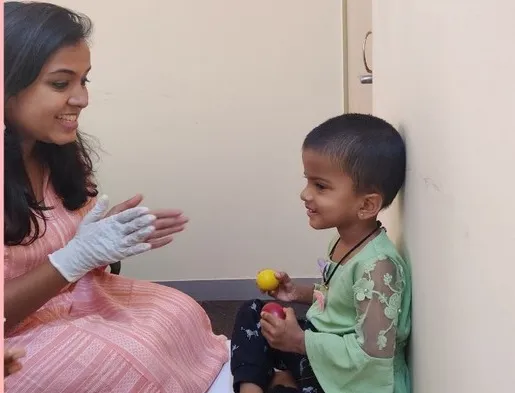
Play that trains your child to notice, recognise and understand sounds and words.
Words and clear speech
Building vocabulary and clear speech sounds.
Parents at the centre
You learn how to make home a rich listening place, all day long.
More about hearing loss
What it is
Hearing loss can be mild or profound, in one ear or both. It may be present from birth or come later, for example from repeated ear infections with fluid behind the eardrum. Even mild loss can make speech harder to learn.
What helps
Finding it early makes the biggest difference. After an audiologist and ENT doctor have checked your child, help may include:
- Hearing aids or cochlear implants, as advised by your doctor
- Listening and speech therapy to build understanding and talking
- Signs or pictures where helpful, alongside speech
- Parent coaching, since children learn most from everyday talk at home
Book a hearing assessment if you have any doubts.
When to get help
Get your child’s hearing checked if they:
- Don’t react to sounds or your voice
- Have a speech delay of any kind
- Have had many ear infections
Hearing should be checked before or alongside any speech therapy. Contact us to book.
Questions parents ask
My baby passed the newborn hearing screening. Can there still be a problem?
Yes. Some hearing loss develops later, and ear infections can reduce hearing for a while. If you notice any signs, get your child's hearing checked, whatever their age.
Who diagnoses hearing loss?
An audiologist tests hearing, and an ENT doctor looks at the medical cause and treatment. Speech therapy can then help with listening and talking.
Do children with hearing aids or cochlear implants need therapy?
Often, yes. Therapy helps a child make sense of the sounds they now hear and turn them into words. Wearing the devices all waking hours helps the most.
Every child is different. If this seems right for your child, please ask your therapist for more details.
Therapies that help
Worried about your child?
You don’t need a diagnosis to talk to us. Call or WhatsApp, and we’ll help you work out the next step.