
Sensory integration therapy
Some children feel the world too loudly, or not quite enough. Meltdowns and constant movement often have a reason, and we help your child feel calmer in their own body.
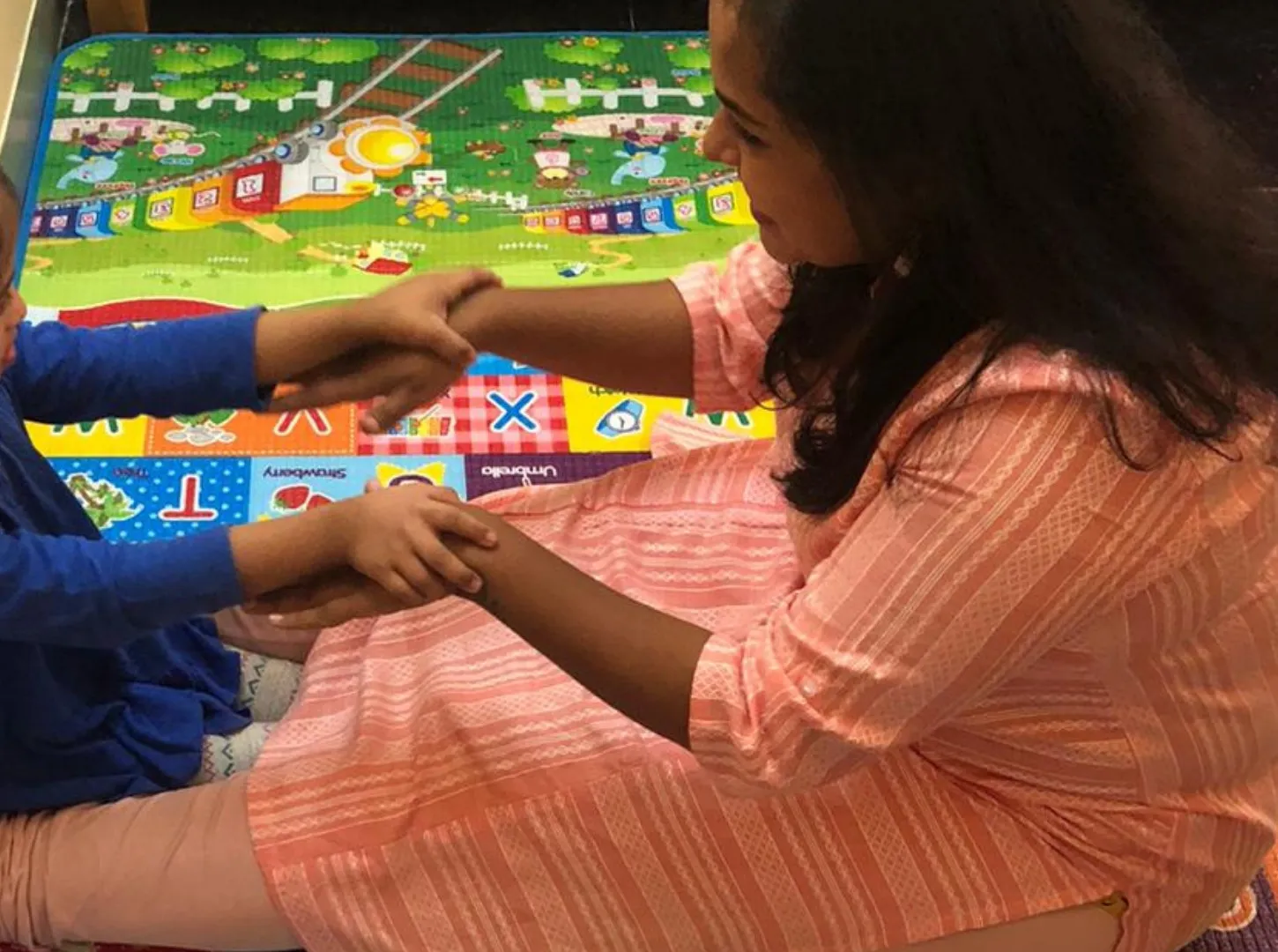
See what it looks like at Turtle Express
When it is often recommended
- Covers ears at loud sounds
- Meltdowns in busy places
- Always jumping, spinning, crashing
- Very fussy about clothes and tags
- Hates haircuts or nail cutting
- Avoids messy hands or textures
- Doesn't seem to notice bumps
How we work
We find the pattern
We watch how your child reacts to sound, touch and movement, and ask what a hard day looks like at home.
A sensory plan for your child
We work out what calms your child and what overwhelms them, and set goals around real moments like mealtimes and school.
Swinging, climbing, squishing
Playful activities give your child the right kind of movement and touch, at a pace they can handle.
A calmer day at home
Simple routines and movement breaks you can use before school, outings or bedtime.
More about sensory integration therapy
What sensory differences look like
Every child has likes and dislikes. It is worth an assessment when these reactions get in the way of daily life, like getting dressed, eating, going out or learning in class. Your child might:
- Avoid sounds, touch or movement that other children enjoy
- Seek much more movement or pressure than others
- Miss things, like not noticing when they are hurt or messy
Who works with your child
Pratibha, our sensory integration therapist, leads this work. Our founder has sensory integration training from the STAR Institute in the USA. It often sits alongside occupational therapy, and speech therapy when a calmer child is more ready to talk.
Who we see
Children with sensory processing difficulties, autism, ADHD and developmental delay, and children who are very picky eaters because of how food feels. For eating, see feeding therapy. Sessions run at our centre in T. Dasarahalli.
Questions parents ask
Is this just bad behaviour?
Often not. Some children feel sensations more or less strongly than others. A meltdown in a noisy mall can be a child who is overwhelmed, not a child being naughty.
How is this different from occupational therapy?
Sensory integration is an approach used within occupational therapy. It focuses on how your child takes in and responds to sound, touch and movement. Many children need both.
Will my child grow out of it?
Some children cope better as they grow. Therapy helps your child and your family understand their needs and find ways to manage them now, so daily life feels easier.
Can I watch the sessions?
Yes. Parents join sessions or watch through our observation window, and we explain what we did and why.
Every child is different. If this seems right for your child, please ask your therapist for more details.
Often helps children with
I observed drastic changes in my child he is having adhd, but it reduced now and speach delay reduced. He is doing his homework by himself.
Other ways we help
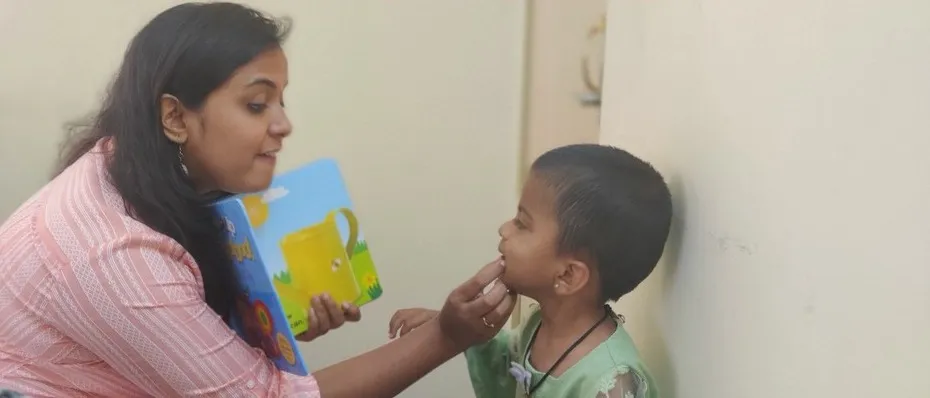
Speech therapy
For late talkers, unclear speech, stammering and apraxia.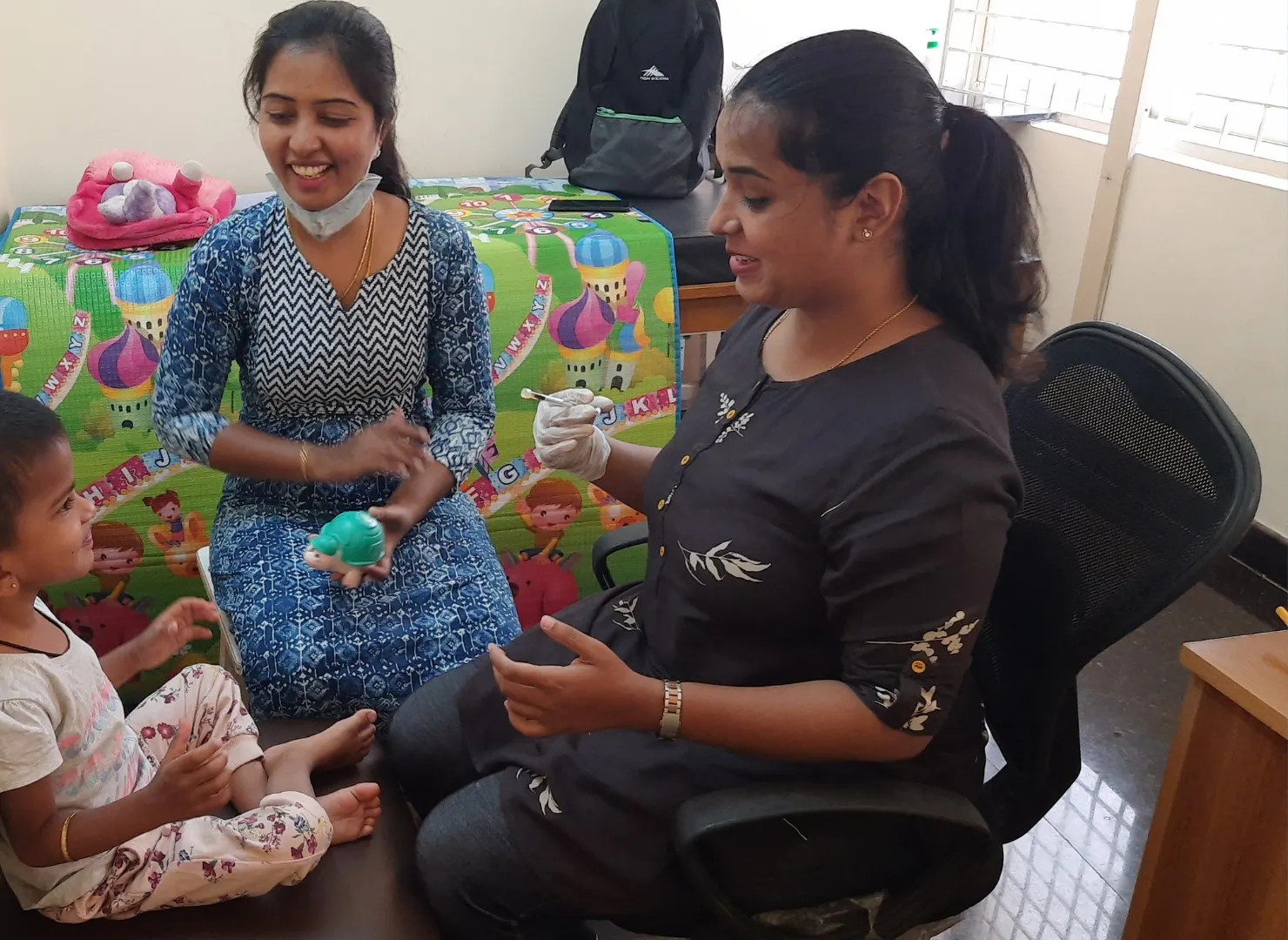
Early intervention
For babies and toddlers, from 3 months to about 5 years, who are slow to reach milestones.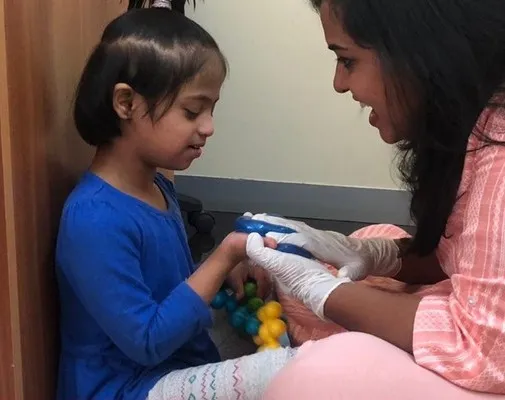
Occupational therapy
For children who find handwriting, movement or everyday tasks like dressing harder than others.
Cognitive therapy
For children who find it hard to focus, remember, plan or finish what they start.
Wondering if this is right for your child?
Every child’s needs are different. Talk to us, and we’ll think it through with you.