
Autism (ASD)
Your child sees the world in their own way, and that is not something to fix. We help them share what they think and feel, and help you understand them better.
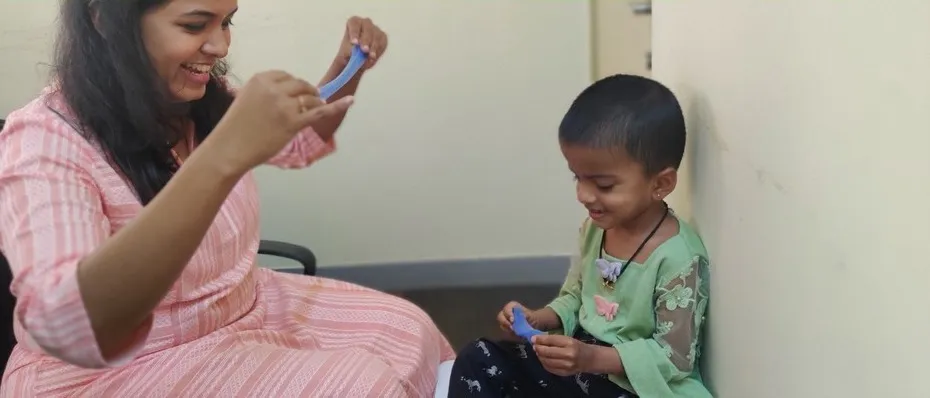
See what it looks like at Turtle Express
Signs parents often notice
- Few or no words yet
- Rarely responds to their name
- Pulls your hand to get things
- Lines up or spins toys
- Upset by small changes
- Strong reactions to sounds
- Plays alone more than with others
How we can help
Communication first
Words, signs or pictures. We help your child say what they want, in whatever way works for them.
Following their lead
We start with what your child already loves and build connection and play from there.
Comfort in the body
We look at how your child handles sound, touch and movement, and help daily routines feel easier.
Coaching for you
You learn simple ways to connect and talk with your child during meals, baths and play.
More about autism
What it is
Autism is a difference in how the brain develops. It shapes how a child communicates, plays, and takes in sounds, sights and touch. Every autistic child is different. Some talk a lot, some use few or no words, and many understand more than they can show.
What helps
We don’t try to make your child less autistic. We help them communicate, feel calm and take part in everyday life.
- Speech therapy using play, PROMPT, Hanen and AAC (such as pictures)
- Occupational therapy for sensory needs and daily skills
- Social communication groups to practise playing and talking with other children
- Parent coaching, so the same ideas carry on at home
You can join sessions or watch through our observation window.
When to get help
If you have a worry, trust it. An early start helps, and you don’t need to wait for a diagnosis. Read more about our speech therapy, or talk to us about your child.
Questions parents ask
Do you diagnose autism?
No. A developmental paediatrician, child psychiatrist or child psychologist makes the diagnosis. You do not need a diagnosis to start therapy with us. We can begin with the needs we see.
Will using pictures or a device stop my child from talking?
No. Research shows AAC does not hold back speech, and often helps it. It gives your child a way to communicate right now, while we keep working on spoken words.
Is my child too young for therapy?
No. We see children from 3 months. Starting early, even before a diagnosis, gives your child more time to build communication and gives you ideas to use at home.
Every child is different. If this seems right for your child, please ask your therapist for more details.
Therapies that help
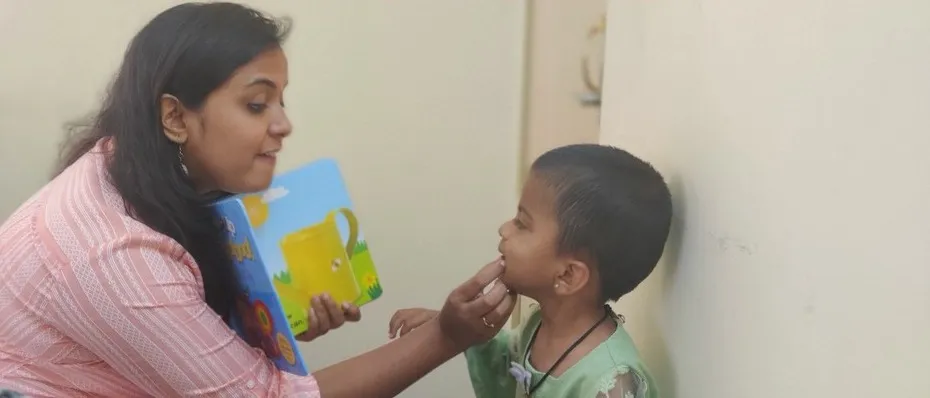
Speech therapy
For late talkers, unclear speech, stammering and apraxia.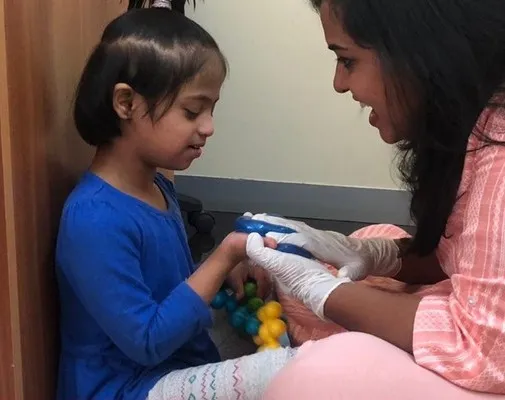
Occupational therapy
For children who find handwriting, movement or everyday tasks like dressing harder than others.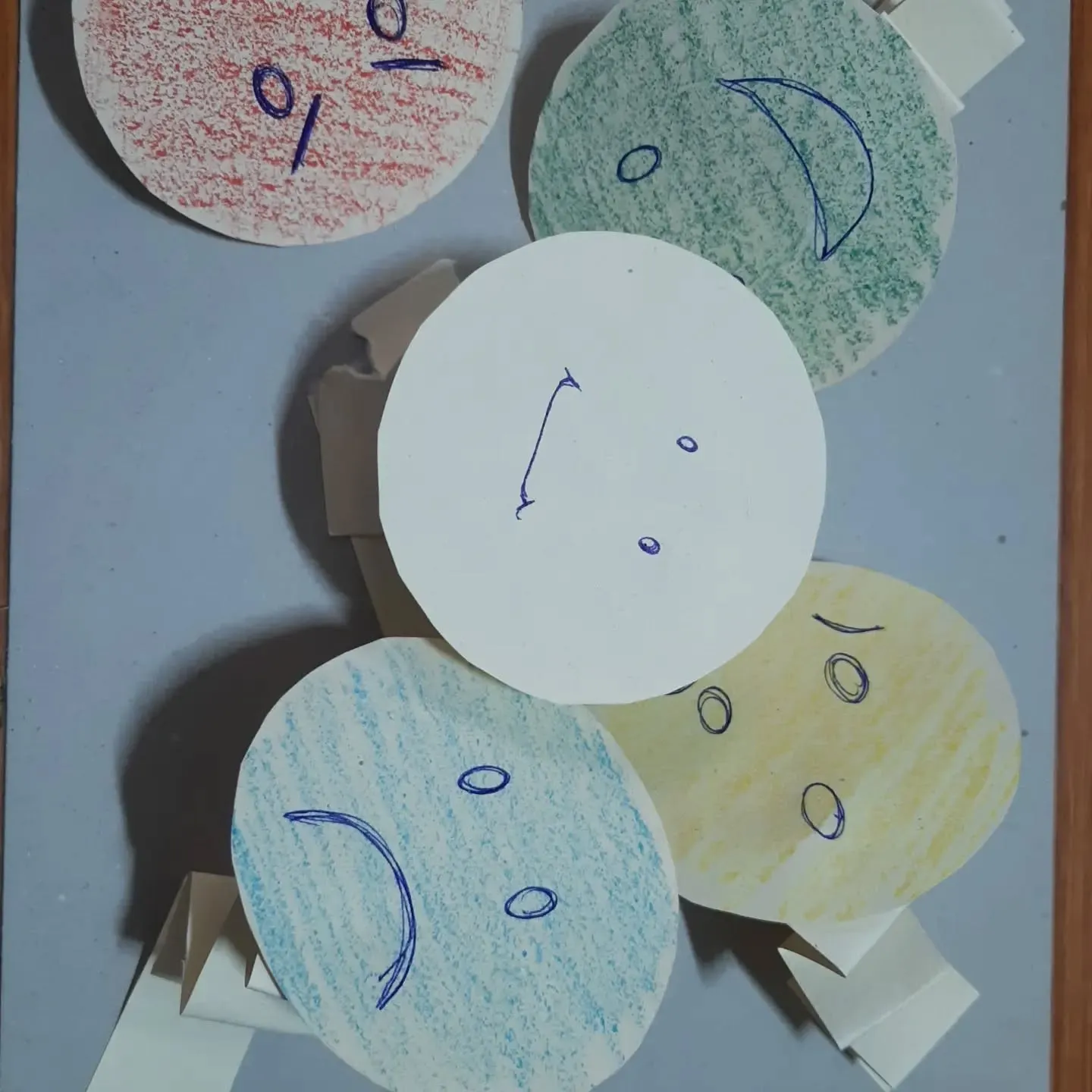
Social communication groups
Groups where children practise turn-taking, play, conversation and making friends.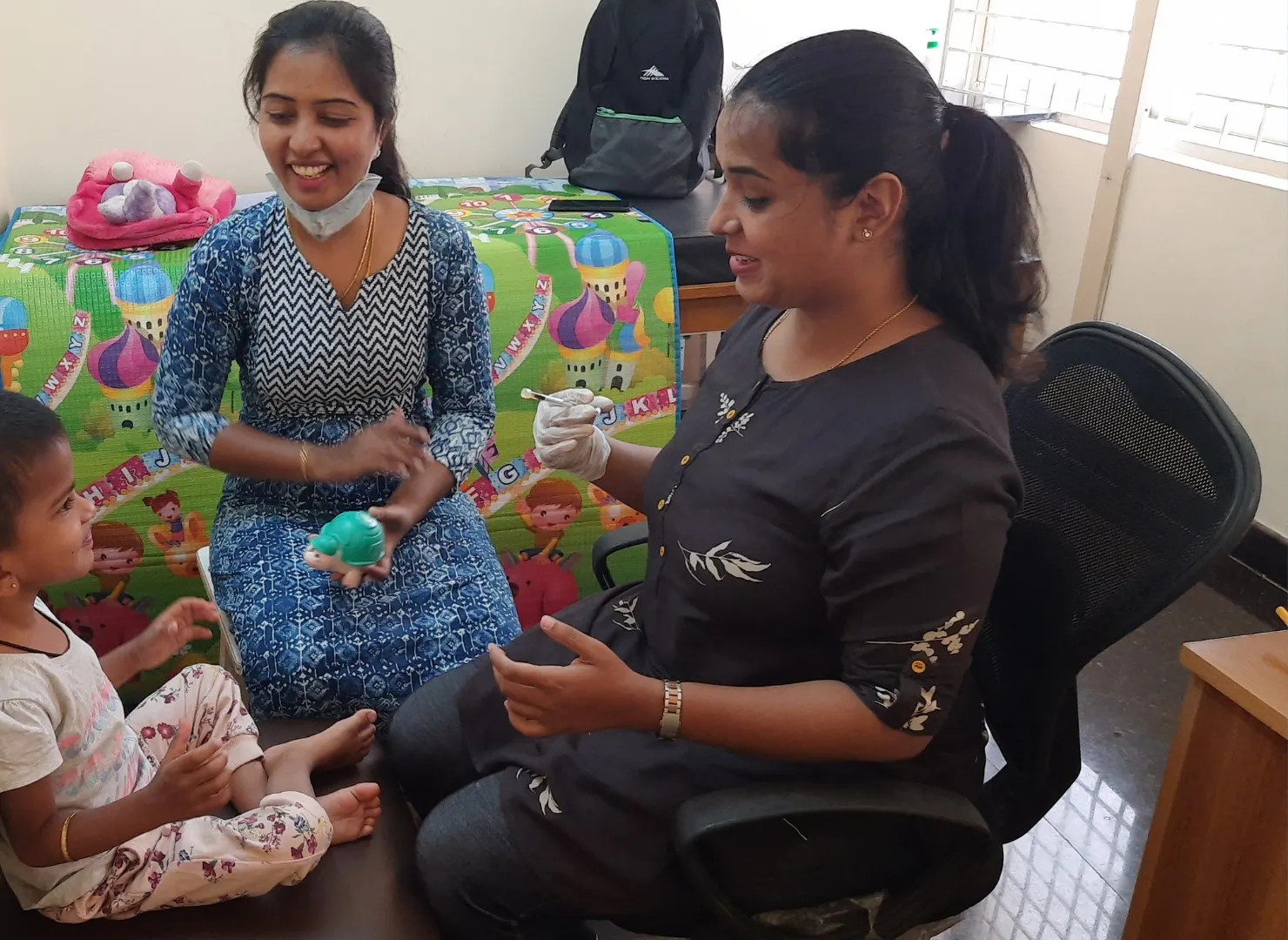
Early intervention
For babies and toddlers, from 3 months to about 5 years, who are slow to reach milestones.
Worried about your child?
You don’t need a diagnosis to talk to us. Call or WhatsApp, and we’ll help you work out the next step.