
Occupational therapy
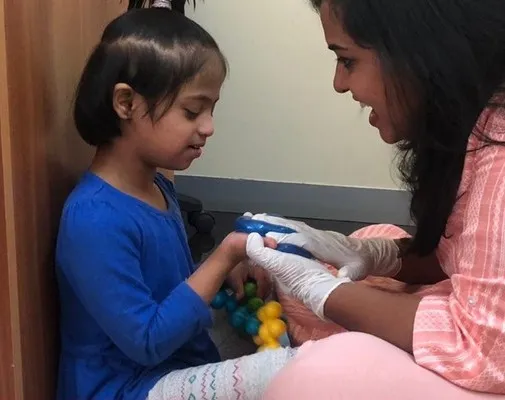
Buttons, pencils, stairs, a busy classroom. When everyday things feel hard, your child can feel it too. We build the skills underneath, through play.
When it is often recommended
- Struggles with pencil or scissors
- Handwriting slow or hard to read
- Trips often, seems clumsy
- Avoids climbing or ball games
- Needs lots of help to dress
- Hard to calm down once upset
- Can't settle to a task
How we work
We see how your child moves
We watch your child climb, build, draw and play, and ask about routines at home and school.
Practical goals with you
Goals like zipping a school bag or writing their name, chosen with you.
Swings, blocks and messy play
Play builds hand strength, balance and body awareness without feeling like work.
Small changes at home
Movement breaks, easier routines and tips like preparing your child for a haircut.
More about occupational therapy
What we work on
- Fine motor skills: grip, hand strength, using both hands together
- Gross motor skills: balance, posture, coordination
- Handwriting: from first strokes to forming letters
- Daily living: dressing, eating, brushing teeth
- Calm and focus: helping your child settle and cope
Many children show one or two of the signs now and then. It is worth an assessment when they get in the way of daily life, learning or friendships.
Sensory needs
If your child covers their ears at noise, hates certain clothes or never stops moving, see our sensory integration therapy page. Our consultant occupational therapist is Revanth.
Who we see
Children with autism, ADHD, developmental delay and coordination difficulties, and children who just find handwriting or self-care harder than classmates. Parents join sessions or watch through our observation window. OT often sits well alongside speech therapy and cognitive therapy.
Questions parents ask
What does an occupational therapist do for a child?
A child's "occupation" is playing, learning and looking after themselves. OT works on the skills behind these, such as grip, using both hands together, balance and coping with sounds and textures.
My child's handwriting is messy. Is that a reason to come?
If it is slow, tiring or much harder to read than classmates' writing, yes. Messy writing often comes from hand strength, grip or posture, and these can be worked on.
Can OT happen alongside speech therapy?
Yes, and it often helps. A calm, settled child is more ready to learn and talk.
Every child is different. If this seems right for your child, please ask your therapist for more details.
Often helps children with
Good tutoring and hand held guidance by the therapists. Many thanks to Joshal for cognitive therapy support and Revanth for occupational therapy...
Other ways we help
Speech therapy
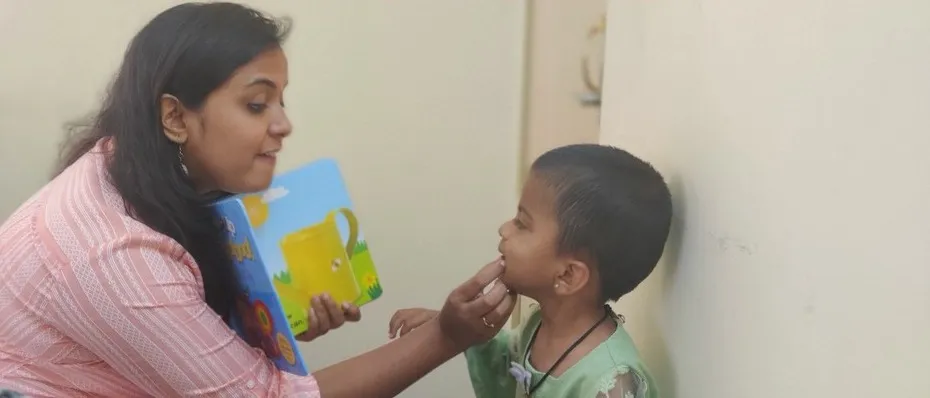
For late talkers, unclear speech, stammering and apraxia.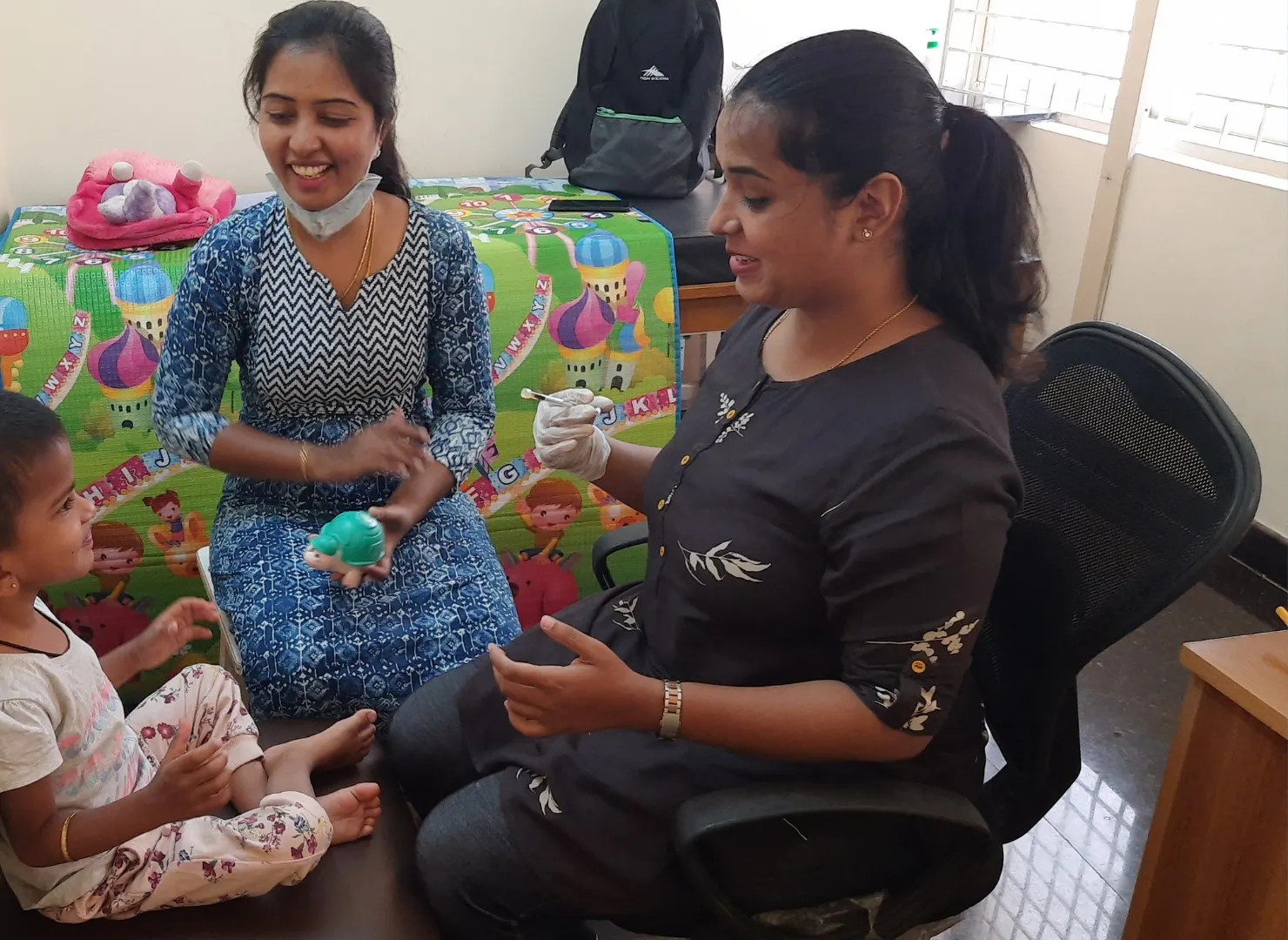
Early intervention
For babies and toddlers, from 3 months to about 5 years, who are slow to reach milestones.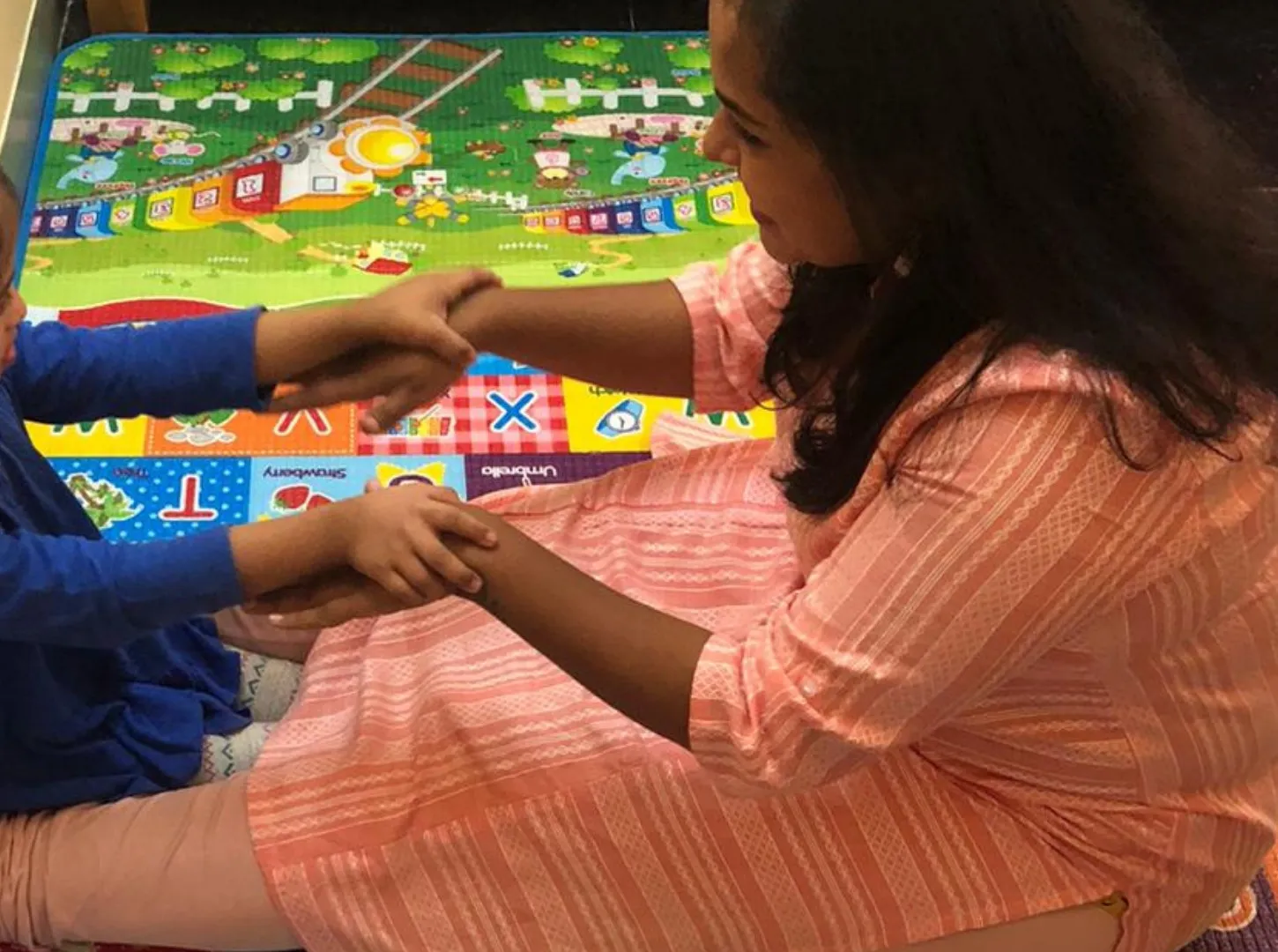
Sensory integration therapy
For children who are over- or under-sensitive to sound, touch or movement.
Cognitive therapy
For children who find it hard to focus, remember, plan or finish what they start.
Wondering if this is right for your child?
Every child’s needs are different. Talk to us, and we’ll think it through with you.