
Cognitive therapy
Your child is bright and trying hard, but focus slips and instructions get lost. We build the thinking skills that learning rests on, through games that don't feel like tests.

See what it looks like at Turtle Express
When it is often recommended
- Can't stay with a task
- Leaves things half done
- Forgets two-step instructions
- Gives up quickly when stuck
- Hard to wait or take turns
- Mixes up the order of routines
- Falling behind despite trying
How we work
We look at how your child thinks
We see how your child pays attention, remembers and tackles something new, and hear about home and school.
One skill at a time
We pick a few clear goals, like following a two-step instruction or finishing a puzzle.
Games that stretch
Puzzles, sorting, sequencing and turn-taking games, made a little harder as your child gets more confident.
Practice in daily routines
Memory games and simple routines that make mornings and homework easier.
More about cognitive therapy
What we work on
- Attention: staying with a task, and switching between tasks
- Memory: remembering and following instructions
- Problem solving: working out the steps to reach a goal
- Self-control: waiting, taking turns, thinking before acting
- Learning readiness: the skills a child needs in a classroom
All young children are sometimes distracted. It is worth an assessment when it goes on for months and affects learning, friendships or family life.
ADHD and learning difficulties
Cognitive therapy can help children with ADHD, learning difficulties, autism or speech delay. It does not replace medical care, and can run alongside it. It often pairs with special education, occupational therapy or speech therapy.
Parents stay close
Join sessions or watch through our observation window. Short, regular practice at home helps these skills show up in daily life. Sessions run at our centre in T. Dasarahalli. Ask us whether online sessions suit your child.
Questions parents ask
Is my child's restlessness ADHD?
We can't tell from a description, and ADHD is diagnosed by a doctor. We can assess attention and learning skills, work on them, and tell you if a medical opinion would help.
Will it help with schoolwork?
It works on the skills that make schoolwork possible, like sitting with a task and remembering steps. For reading and maths, we may also suggest special education.
How is this different from tuition?
Tuition teaches content, like a maths chapter. Cognitive therapy works on how your child learns, such as paying attention, holding information in mind and working through a problem step by step.
Every child is different. If this seems right for your child, please ask your therapist for more details.
Often helps children with
My son Riyansh - 6 years old has been attending therapy here, and we've seen remarkable improvement in his confidence, communication, and overall development. … We truly appreciate the care and dedication of the entire team. Highly recommended!
Other ways we help
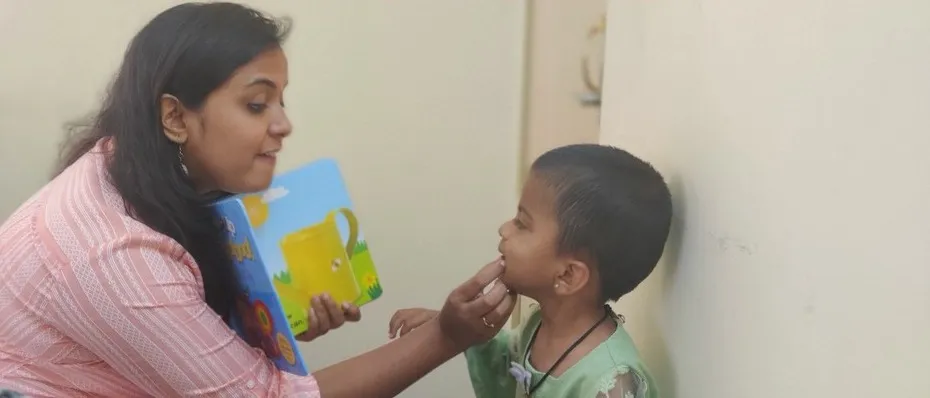
Speech therapy
For late talkers, unclear speech, stammering and apraxia.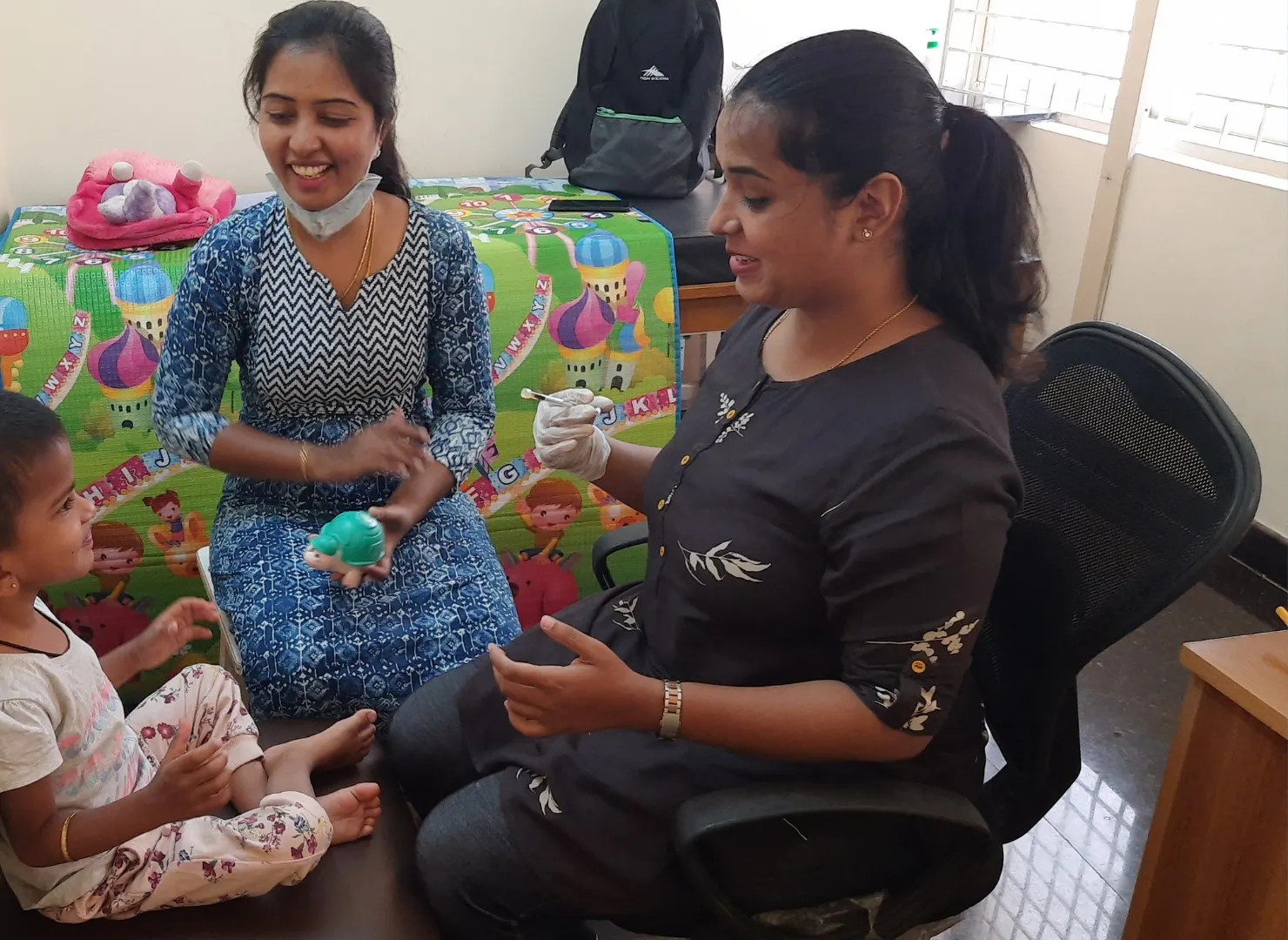
Early intervention
For babies and toddlers, from 3 months to about 5 years, who are slow to reach milestones.
Occupational therapy
For children who find handwriting, movement or everyday tasks like dressing harder than others.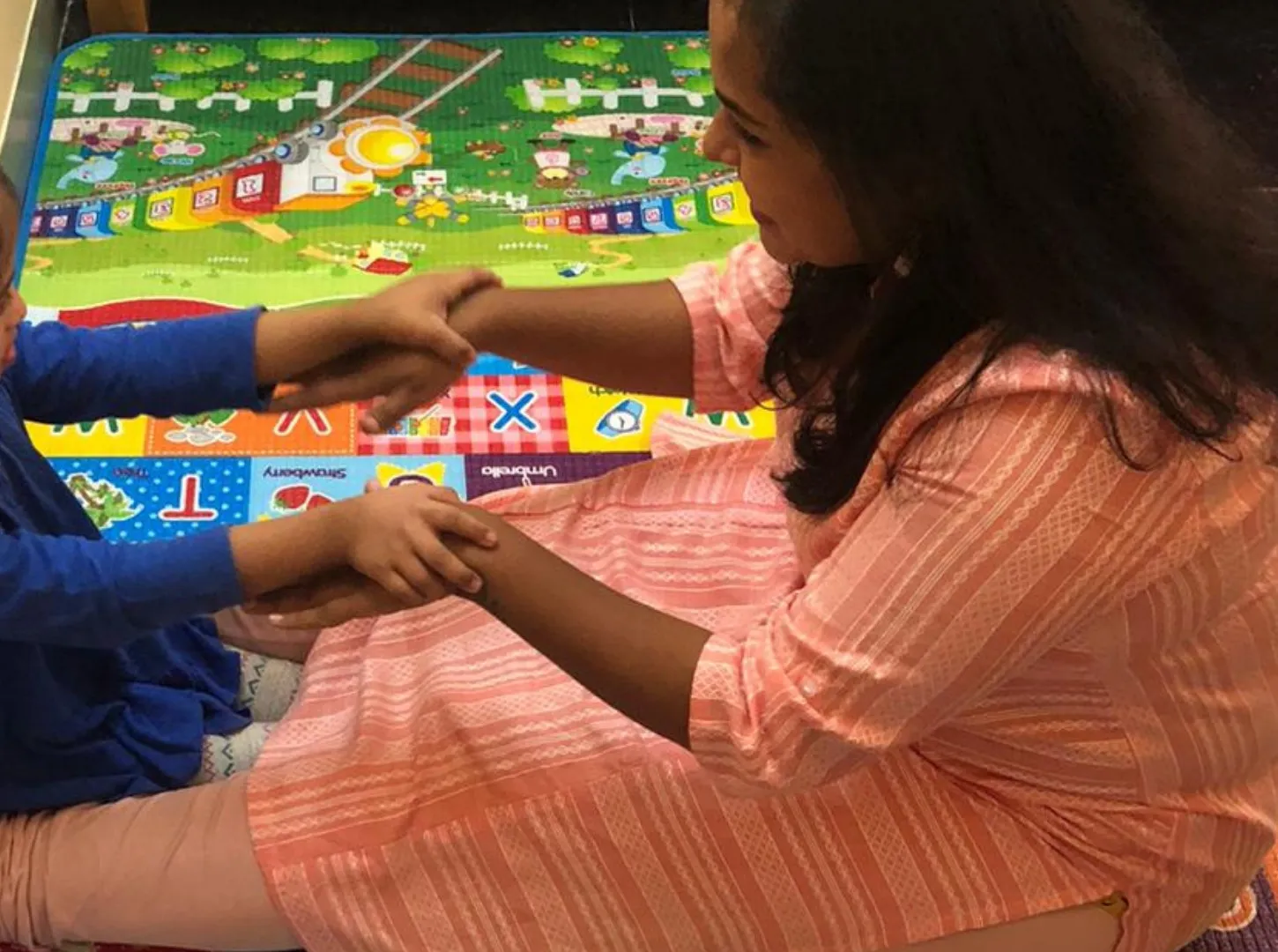
Sensory integration therapy
For children who are over- or under-sensitive to sound, touch or movement.
Wondering if this is right for your child?
Every child’s needs are different. Talk to us, and we’ll think it through with you.